



Portable Microcurrent Devices in NZ: What to Know Before Choosing One for Home, Work or Travel

A device can be small enough to slip into your bag and still be awkward to use once you are away from home. Maybe you want to use it on a shoulder during the workday, take it to a bach for the weekend, or keep one compact wellness device handy when travelling. The size matters, but so do access, contact, privacy and safety.
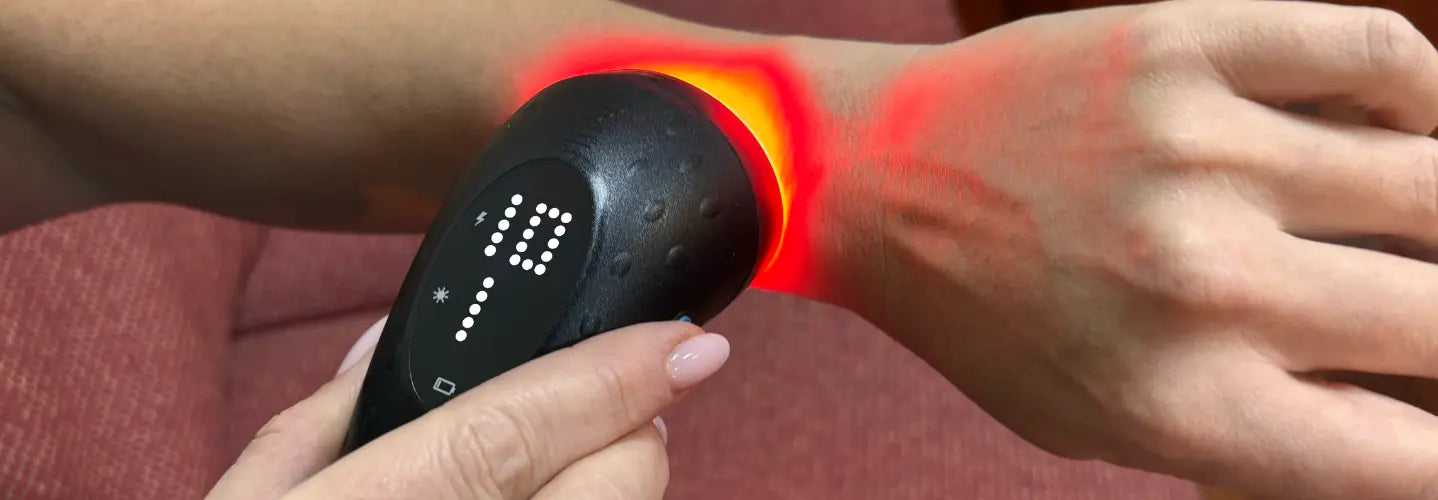
In practical terms, a portable microcurrent device NZ buyers choose should be judged by the technology it actually uses, how it makes contact with the body, the areas you intend to use it on, the safety instructions for each mode, and whether that setup still makes sense outside your usual room. FRELLUX is one New Zealand option that brings adjustable EF microcurrent and Red Hyperlight together in one compact wellness device, with the option to use either technology separately or use them together according to the current instructions.
Portable is more than small
Think about where you picture yourself actually using a portable microcurrent device. At home, you may have time, space and easy access to the area you want to reach. At work, you may be sitting at a desk in clothing that makes a shoulder, hip or back harder to access. Away from home, the device may be easy to carry but the setting may not suit direct contact.
That is why we look beyond dimensions. A useful portable device should make sense in your hand and in your day. You need to be able to reach the intended area, use the selected mode as instructed and feel comfortable doing so in that setting.
This also changes how to think about an at-home microcurrent device NZ customers may want to take elsewhere. Something that works well in a private room can become less practical at an open-plan workplace or while travelling. Portability is about whether you will realistically use the device, not only whether it fits in a case.
Start with the job, not the feature list
Before comparing buttons or programme counts, decide what you actually want available. Do you deliberately want contact-based microcurrent? Would you sometimes prefer light without microcurrent? Or does having both options in one handheld device suit you better?
That distinction matters because different electrical stimulation terms are often grouped together online even though they are not interchangeable.
Microcurrent vs EMS vs TENS: not the same thing
Microcurrent generally refers to very low-level electrical stimulation, commonly described in the microampere or sub-milliamp range. EMS or NMES is used to stimulate muscles and can be set to produce muscle contractions. TENS is a separate form of transcutaneous electrical nerve stimulation commonly used in pain management. The exact output and intended purpose still depend on the individual device.
So if you are comparing a microcurrent device NZ retailers sell with an EMS or TENS unit, do not assume the labels mean the same technology or the same experience. With FRELLUX, the electrical operating choice is EF microcurrent, and its practical use should be judged from the FRELLUX instructions rather than from assumptions about another electrical device category.
If you want to see our wider light-based range as well, you can browse Bioptron Hyperlight devices. FRELLUX is different in this article because we are focusing specifically on its portable mix of contact-based EF microcurrent and Red Hyperlight.
What changes when microcurrent needs contact
With FRELLUX EF mode, contact is part of the experience. The device uses a 36 gold-coated micro-needle contact grid to deliver its electro-frequency microcurrent operating mode, with 19 adjustable EF intensity levels.
The term micro-needle can sound more dramatic than the practical setup. FRELLUX EF uses the 36-point grid as a skin-contact surface. What matters for portability is that EF is not simply something you switch on while the device sits nearby. The intended area needs to be accessible and direct contact has to be practical.
That can be easy for some body areas at home and less convenient in public or while dressed for work. It is also why a portable microcurrent device should never be chosen on size alone. The contact method affects when and where the electrical mode is useful to you.
FRELLUX gives you 19 EF intensity levels, so the electrical setting is adjustable within the device. We still recommend following the current instructions for the mode and area you are using rather than borrowing techniques, gels, session patterns or movement methods from unrelated microcurrent devices.
When you may want light without microcurrent
There are times when you may want to leave the electrical function off. FRELLUX LF is a separate Red Hyperlight operating choice, using 630-640 nm Red Hyperlight with five LF programmes. Those programmes run from continuous operation through pulsing options listed up to 8000 Hz.
For someone specifically looking at a red light microcurrent device, that separation is useful to understand. LF is not simply an add-on that only works when EF is active. You can choose Red Hyperlight on its own when that is the mode you want to use, subject to the LF safety instructions.
We do not treat the Red Hyperlight setting as proof of a particular health outcome, and we do not transfer evidence from other Bioptron devices onto FRELLUX. The value here is practical choice: one compact device gives you a light-only option as well as microcurrent.
One Pocket Device, Two Different Pathways: What FRELLUX Actually Puts in Your Hand
FRELLUX contains two underlying technologies and gives you three operating choices: EF microcurrent, LF Red Hyperlight, and combined EF + LF use.
We see the value in that flexibility when you genuinely want both types of use in one small device. EF gives you adjustable, contact-based microcurrent through the 36-point gold-coated contact grid. LF gives you a separate 630-640 nm Red Hyperlight choice with five programmes. When the current instructions suit you and the safety requirements are met, the combined setting lets both technologies operate together.
We believe FRELLUX is worth considering when you specifically want one compact wellness device that gives you adjustable microcurrent and a separate Red Hyperlight choice, rather than buying a generic microcurrent-only wand and then looking for another device to add light.
The three operating choices do not mean one mode is medically better than another, and having more modes does not guarantee better results. What FRELLUX puts in your hand is flexibility. You can choose the technology that fits the moment and use it within the instructions for that mode.
The safety rules change with the mode
Microcurrent device safety is not one blanket rule. FRELLUX EF and LF use different technologies, so it makes sense to check the boundaries for the mode you plan to use.
Before using EF microcurrent
Avoid FRELLUX EF use on open wounds or inflamed, irritated or broken skin. Do not use EF if you have a pacemaker or another implanted electrical or electronic medical device. Avoid EF during pregnancy unless a healthcare professional has advised you otherwise.
EF should also not be used directly on the head, on the front of the neck or thyroid area, or along the spine. Avoid EF if you have active bleeding, a tendency to haemorrhage, or a blood clotting disorder.
Before using LF Red Hyperlight
Avoid FRELLUX LF use if you have known photosensitivity or a light-sensitive condition. LF should also be avoided if you have epilepsy or a history of seizures.
If you want to use EF + LF together
Combined use means both technologies are operating. We do not create a separate made-up contraindication list for that setting. Follow the current official FRELLUX instructions and apply the relevant safety guidance for both EF and LF.
If you have a medical condition, are unsure whether a listed precaution applies to you, or have any concern about suitability, speak with a qualified health professional before use.
Does it still make sense where you will actually use it?
At home: easy access can make the difference
At home, a handheld format often has its simplest setup. You can choose clothing that gives you access to the intended area, sit somewhere comfortable and use the selected mode without worrying about privacy. If you want EF, direct contact is easier to plan for. If you want LF only, you can choose that separate light mode instead.
The practical question is reach. A compact device can be easy to hold but still awkward if the area you want to use it on is difficult for you to access. Think about the actual body area, not just the device size.
At work: privacy and clothing matter
A FRELLUX in a work bag is genuinely portable, but your workplace may not be the right setting for every mode or every body area. If EF contact means exposing an area you cannot comfortably reach or use privately, the fact that the device is handheld does not solve that problem.
On the other hand, if the intended area is easy to access and the setting is appropriate, the compact format may make it much easier to keep the device close rather than leaving it at home.
When travelling: carryable is only half the test
When you are away from home, ask the same simple questions. Can you reach the intended area? Is direct contact practical if you want EF? Do you have enough privacy and space to use a handheld device comfortably? Does a safety restriction change the plan for you?
For choosing the device itself, keep the focus on whether its contact method and mode options still fit the way you expect to use it away from home.
Common questions
What is a portable microcurrent device?
A portable microcurrent device is a compact electrical stimulation device designed to be moved easily between settings. What makes it genuinely useful is not just size, but how it delivers current, whether it needs direct skin contact, what areas it is intended for and whether its safety instructions suit the person and setting.
What should I check before buying a microcurrent device in NZ?
Check the device's stated technology, intended use, contact method, adjustable settings, safety instructions and whether you can realistically use it on the intended area at home or away from home. If you are searching for a microcurrent therapy device NZ, also check the product's actual classification and claims rather than assuming the search term describes every device accurately.
Is microcurrent the same as EMS or TENS?
No. Microcurrent generally uses very low electrical currents. EMS or NMES is electrical stimulation intended to activate muscles and may produce contractions, while TENS is transcutaneous electrical nerve stimulation commonly used for pain management. Device outputs and intended purposes vary, so compare the actual specifications and instructions.
Does FRELLUX use both microcurrent and red light?
Yes. FRELLUX combines EF electro-frequency microcurrent with a separate LF Red Hyperlight technology. FRELLUX Red Hyperlight operates at 630-640 nm.
What is the difference between FRELLUX EF, LF and EF + LF modes?
EF is the contact-based microcurrent mode with 19 adjustable intensity levels. LF is the separate Red Hyperlight choice with five programmes. EF + LF uses both technologies together, so the current instructions and the safety requirements for both should be followed.
Does FRELLUX EF microcurrent require skin contact?
Yes. FRELLUX EF delivers microcurrent through its 36 gold-coated micro-needle contact grid, so direct contact with the intended skin area is part of EF use.
Who should avoid FRELLUX EF mode?
Avoid EF on open wounds or inflamed, irritated or broken skin, with a pacemaker or implanted electrical or electronic medical device, during pregnancy unless advised by a healthcare professional, directly on the head, on the front of the neck or thyroid area, along the spine, or with active bleeding, haemorrhaging tendencies or blood clotting disorders.
Who should avoid FRELLUX LF mode?
Avoid LF if you have known photosensitivity or a light-sensitive condition, epilepsy or a history of seizures. If you are unsure about a condition or precaution, ask a qualified health professional before use.
Can a portable microcurrent device fit home, work and travel use?
It can, if the intended area is accessible, the contact method is practical, you have enough privacy and space, and no safety restriction rules out the planned use. FRELLUX may suit people who want one compact device with adjustable EF microcurrent, separate Red Hyperlight and a combined option, but suitability varies.
So, is FRELLUX the portable device you were looking for?
If you deliberately want portable targeted use, adjustable EF microcurrent, a separate 630-640 nm Red Hyperlight option and the ability to combine both technologies according to the current instructions, FRELLUX is well worth a closer look.
We like that it gives you more than one way to use the same compact device without forcing microcurrent every time. That makes sense for people who want flexibility between contact-based EF and light-only LF use, while still keeping safety boundaries clear.
FRELLUX will not be right for everyone. If you are unsure about a precaution, a health condition or whether the intended area makes sense for you, you can book a free Bioptron consultation and talk it through before deciding.
References
- Bioptron New Zealand: FRELLUX product information and mode-specific safety
- European Journal of Applied Physiology review: physiological effects of microcurrent
- US Food and Drug Administration: electronic muscle stimulators
- BMJ Open meta-TENS review: transcutaneous electrical nerve stimulation for pain


