



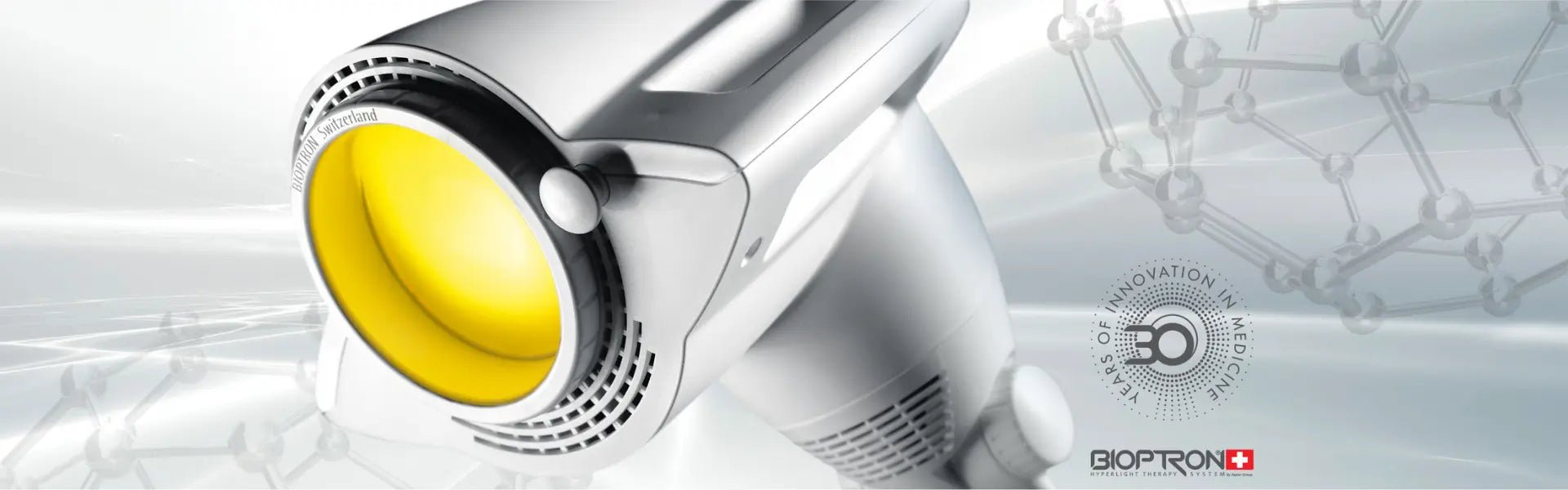
Bioptron Light: Benefits, Safety, How to Use, and What to Expect

Quick answer: A Bioptron light is a light therapy system that delivers polarised, polychromatic light to the skin. People commonly use it to support skin recovery and everyday comfort, including as part of a chronic pain routine. Start with short sessions, follow your specific model instructions for use, and reassess after a few weeks of consistent use. If you have a medical condition or take photosensitising medicines, check with your clinician first.
If you are researching a Bioptron light in New Zealand, this guide covers what it is, how it works in practical terms, how to use it safely, and what to expect over time. If you want help choosing a model or setting up a routine, you can book a free discovery call or demo.
What is a Bioptron light?
Bioptron is a light therapy system designed to deliver polarised, polychromatic, non-coherent light to the skin. In plain language, that means it uses a broad spectrum of light that is filtered and aligned in a way that is intended to support local tissue processes.
Bioptron devices are used in both professional settings and home routines. The right choice depends on the area you want to treat, how often you plan to use it, and how easy it is to position the light consistently.
If you want to see current options, you can start with the Bioptron Pro 1 collection or compare a larger setup like Bioptron 2 with floor stand.
What benefits can you expect?
Bioptron light is typically used as part of a broader plan rather than a stand-alone solution. People most often add it to routines aimed at:
- Everyday joint and muscle comfort, especially alongside gentle movement and recovery habits.
- Skin appearance and recovery support, such as dryness-prone or irritated skin routines.
- Self-care consistency for people who want a simple, non-invasive step they can repeat at home.
If you are exploring condition-specific information, these pages can help: Bioptron for arthritis and Bioptron for skin.
What we recommend keeping in mind is expectations. Light therapy is usually gradual. Many people report that the main value is consistency and convenience, not an instant change after one session.

What a session feels like
Most people describe Bioptron sessions as gentle and comfortable. You may feel mild warmth on the skin, depending on the device and distance. You should not feel burning, stinging, or discomfort. If you do, stop and reassess setup, distance, and session time, then check your device guide.
How to use a Bioptron light at home
Always follow the instructions for use that come with your exact model. As a practical starting framework, many people use a routine like this:
- Prep the area: Clean and dry the skin. Remove makeup or thick creams so light is not blocked.
- Position the device: Hold the light perpendicular to the area you are treating. Keep the distance recommended in your user guide.
- Time the session: Start with shorter sessions. It is better to build consistency than to overdo a single day.
- Cover the full area: If the treatment area is larger than the light head, treat in overlapping zones rather than guessing.
- Stay consistent: Use a repeating schedule that fits your week, then reassess after 2 to 4 weeks.
- Track what matters: For chronic pain managers, a simple note of sleep, stiffness, and daily function can be more useful than rating pain alone.
- Keep it hygienic: Clean attachments and stands as directed, especially for shared use.
For smaller, targeted areas, a compact option like Bioptron MedAll can be easier to fit into daily routines. If you need help with positioning or add-ons, see Bioptron accessories.
How often should you use it and how long until you notice changes?
There is no single schedule that fits everyone. Many people aim for short, consistent sessions and then adjust based on response. If you are managing chronic pain, consistency matters because your baseline can vary day to day. Give your routine enough time to show a pattern.
Some people notice short-term comfort changes after a session, while others only notice improvements after several weeks. The biggest factors are:
- Consistency: A repeatable routine usually beats a perfect one you cannot sustain.
- Target area: Skin-focused routines and deep joint areas can feel different over time.
- Whole-plan support: Movement, rehab, sleep, hydration, and clinician input often make the difference.
Safety, side effects, and when to be cautious
Bioptron light is used as a non-invasive option, but it still requires sensible safety habits:
- Do not stare into the light source. For facial areas, keep eyes closed and follow device guidance.
- Avoid treating suspicious lesions or areas with unexplained changes. Get medical advice first.
- Be cautious with photosensitivity or medicines that increase light sensitivity.
- Do not use over areas where a clinician has advised against heat or light exposure.
- Check first for complex cases: Pregnancy, serious medical conditions, and children's care plans should be discussed with a health professional.
If you are unsure about setup or suitability, we recommend starting with a free discovery call or demo so you can confirm basic safety and practical use.

Choosing the right Bioptron model in NZ
When you compare devices, focus on the details that affect real-world use:
- Treatment area size: Larger heads cover more area in less time.
- Portability: Smaller devices suit travel and targeted use.
- Ease of positioning: Stands and supports can reduce effort for regular routines.
- Support resources: Clear instructions and videos make it easier to stay consistent.
To see technique examples and setup tips, visit Bioptron videos. For a broader overview, you can also read our Bioptron Light NZ guide.
Troubleshooting and tips for better consistency
If you have tried light therapy before and felt it was not doing much, the issue is often routine rather than the device. These small adjustments help many people stay consistent and assess results more clearly:
- Keep the same setup: Use the same chair, same distance, and same angle. Small changes can make sessions feel different.
- Choose one priority area first: If you spread sessions across too many areas, it is harder to notice a pattern.
- Pair it with a habit: For example, after a shower or before bed. Habit pairing is one of the simplest ways to stay on track.
- Use a simple log: Note the date, area treated, and a quick outcome such as morning stiffness, sleep quality, or ease of movement.
- Adjust slowly: Change one variable at a time (frequency or session time), then reassess after a week or two.
Care, storage, and maintenance
Bioptron devices are built for repeated use, but care still matters. Follow your user guide for cleaning and storage. As general best practice:
- Keep vents clear and store the device in a dry place.
- Wipe the housing with a soft, slightly damp cloth (avoid harsh solvents).
- Clean stands and accessories regularly, especially if more than one person uses the device.
- Inspect cables and plugs for wear and stop using the device if anything looks damaged.
Using Bioptron alongside other treatments
Many people use light therapy as an add-on alongside physiotherapy, exercise programmes, massage, or clinician-led care. If you are currently under treatment for a medical condition, keep your care team in the loop. A helpful approach is to treat light therapy as a supportive step, then judge it by functional improvements you care about (walking tolerance, recovery time, sleep, or stiffness), not just pain scores.
FAQs
What is a Bioptron light?
A Bioptron light is a medical light therapy system that delivers polarised, polychromatic, non-coherent light. People use it to support skin recovery and day-to-day comfort, following the manufacturer instructions for use.
Is Bioptron the same as red light therapy?
Not exactly. Many red light devices use a narrow band of wavelengths (often red and near-infrared). Bioptron systems use polarised, polychromatic light. Both sit under the wider photobiomodulation umbrella, but the light characteristics and protocols can differ.
How often should I use a Bioptron light?
Most home routines use short, consistent sessions. We recommend following your specific model guide and any clinician advice, then tracking how you feel over 2 to 4 weeks before changing frequency.
Do I need eye protection?
Avoid staring into the light source. For face treatments, keep your eyes closed and follow your device guidance. If you are sensitive to light or unsure, use protective eyewear and ask a clinician for personalised advice.
Can I use Bioptron light for arthritis or joint discomfort?
Many people use light therapy as part of a broader routine for joint comfort. It is not a substitute for medical care, but it may be a helpful adjunct alongside movement, recovery strategies, and clinician guidance.
Who should check with a health professional before using it?
If you are pregnant, have a known photosensitivity, take photosensitising medicines, have epilepsy triggered by light, or have a serious medical condition, check with your GP or specialist first. Always avoid treating suspicious lesions and follow the manufacturer safety guidance.
Next steps
- Explore Bioptron Pro 1 options
- See Bioptron 2 with floor stand
- View Bioptron MedAll for targeted areas
- Book a free discovery call or demo
- Read the Bioptron Light NZ guide
- Bioptron Lamp: Benefits, Safety, How to Use, and What to Expect
- Bioptron Light Treatment: Benefits, Safety, How to Use, and What to Expect
- Bioptron Light Therapy Price: Benefits, Safety, How to Use, and What to Expect


