



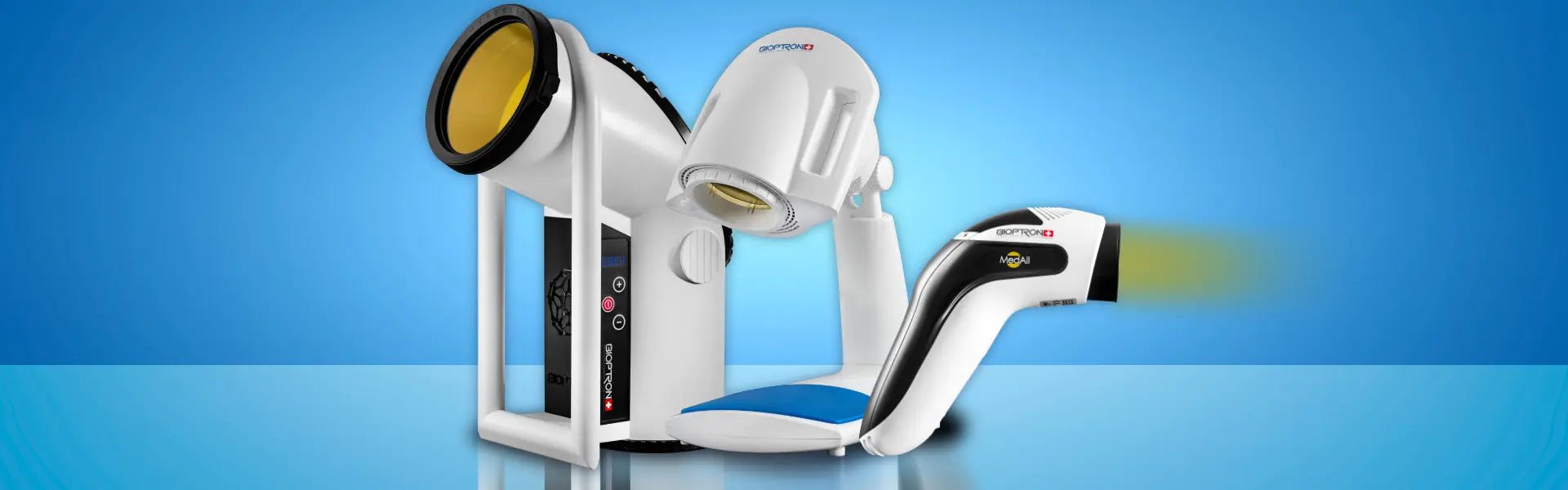
Bioptron lamp in NZ: what it is, how it works, safety, and buying checklist

Quick answer: A Bioptron lamp is a specialised light-therapy device that delivers controlled, non-UV light to the skin. People use it in clinics (and sometimes at home) for supportive care such as skin recovery and comfort, but outcomes vary. The practical checklist is: confirm the use-case with a clinician, understand the evidence limits, follow the safety instructions, and choose a model that fits your treatment area and routine.
If you've searched for a Bioptron lamp (sometimes typed as 'bioptron lampa'), you're probably trying to answer a very engineer-like question: what exactly is it, what does it do, and is it worth it? In this NZ guide, we'll explain how Bioptron-style light therapy works at a high level, what the research generally suggests, where the uncertainty is, and what to look for if you're considering one in Aotearoa New Zealand.
What is a Bioptron lamp?
A Bioptron lamp is a medical-grade light therapy system designed to deliver a consistent light output to a target area of skin at a set distance and angle. The core idea is controlled light exposure: rather than 'more light is better', the goal is repeatable dosing that a clinician (or a trained user) can apply safely.
Depending on the model, Bioptron lamps are used in settings like physiotherapy, rehabilitation, sports clinics, and some skincare practices. Some customers also explore home use with guidance, especially when routine sessions are part of a longer care plan.

How does Bioptron light therapy work?
Light therapy is often discussed under the broader umbrella of phototherapy or photobiomodulation (PBM). The simplified mechanism looks like this:
- Photons reach tissue: light penetrates the upper layers of skin to varying depths depending on wavelength and tissue characteristics.
- Cellular signalling changes: certain wavelengths can influence cellular signalling pathways (including those involved in inflammation and tissue repair).
- Downstream effects: in some contexts, studies report improvements in comfort, appearance, or recovery markers. Effects are not guaranteed and depend on dose, protocol, and the condition being treated.
From a practical perspective, light therapy behaves like a 'protocol-driven tool': the same device can produce different results depending on distance, session length, frequency, and whether it's paired with standard care.
Is Bioptron red light therapy?
Not exactly. 'Red light therapy' usually refers to narrowband red and/or near-infrared LEDs at specific wavelengths. Bioptron devices are commonly described as delivering polychromatic (multiple wavelengths) light rather than a single narrow band. That means it's better to think of Bioptron as a phototherapy system with its own design and protocol guidance, rather than assuming it's interchangeable with a typical red LED panel.
What is a Bioptron lamp used for?
Bioptron-style lamps are most often used as a supportive therapy. In different settings, people use them to support:
- Skin recovery and appearance (for example, after irritation or cosmetic procedures, where appropriate)
- Comfort and soft-tissue support as part of a broader rehabilitation routine
- Wound-care support protocols in clinical contexts
Important: These are general 'how it's used' categories, not a guarantee of outcomes. If you have a diagnosed condition, or a wound that isn't healing, we recommend medical assessment first.
Does Bioptron really work? What the evidence says (and doesn't say)
If you're evidence-driven, you'll notice quickly that 'light therapy' research is a mixed landscape. The most useful way to interpret the literature is to separate:
- Mechanistic plausibility (how light can influence cellular activity)
- Condition-specific evidence (which varies by indication, protocol, and study quality)
- Real-world protocol reliability (whether people use the device consistently and correctly)
What research tends to support
Across PBM/phototherapy research, there is moderate evidence in some areas that light-based protocols can support aspects of tissue recovery and symptom management when used correctly and alongside standard care. Outcomes tend to be more consistent when protocols are well-defined (dose, distance, frequency) and when the endpoint being measured is appropriate (for example, validated pain scales or wound-healing markers).
Where the uncertainty is
- Heterogeneous protocols: studies often use different wavelengths, power outputs, distances, and session schedules, making comparisons difficult.
- Small sample sizes: some trials are underpowered or lack robust blinding.
- Over-extended claims: marketing sometimes extrapolates from one use-case to many others.
Our rule of thumb: treat Bioptron as a tool that may help certain goals when used with the right protocol, rather than a universal solution.

Bioptron lamp safety: what to check before you start
Light therapy is generally considered low-risk when used as instructed, but it still has safety constraints. We recommend using this checklist before starting:
1) Eyes and light exposure
Even non-UV light can be uncomfortable or risky if you stare into a bright beam. Follow the manufacturer guidance around eye safety and consider protective eyewear if recommended for your use-case.
2) Photosensitivity and medications
Some people are photosensitive due to medical conditions or medications (including some antibiotics, acne treatments, and herbal products). If you have a history of light sensitivity, ask a clinician or pharmacist whether light therapy is appropriate.
3) Active skin conditions and 'don't self-treat' scenarios
Get medical advice first if you have:
- Suspicious or changing skin lesions
- Unexplained pain, swelling, or infection signs
- Wounds that are worsening or not improving
Light therapy can be supportive, but it shouldn't delay diagnosis or treatment where urgent care is needed.
4) Heat, irritation, and session tolerance
Most Bioptron-style devices are designed to avoid excessive heating, but skin can still become irritated if sessions are too long or too frequent. Start with conservative sessions and track skin response.
How to choose a Bioptron lamp model
Models differ by design and intended use. Without locking you into a specific spec sheet, here are the criteria that matter most:
- Treatment area size: larger beam areas can be more practical for broader regions (e.g., back/shoulders) while smaller areas may suit targeted facial or joint zones.
- Mounting and ergonomics: home users often value stands/arms that keep a consistent distance and free your hands.
- Session repeatability: look for designs that make distance/angle consistent (this is a big variable in outcomes).
- Service and support in NZ: warranties, accessories, and local support matter for devices used frequently.
Bioptron lamp distance and 'dose' basics
In most protocols, the distance from the skin and the session duration are treated as part of the 'dose'. If you change the distance substantially, you are changing the delivered intensity. For skeptical readers: think of it like changing the nozzle distance in a coating process - coverage and energy delivery change quickly with geometry.
How long does it take to see results from a Bioptron lamp?
It depends on the goal and the protocol. Some people notice comfort changes after a handful of sessions; others notice little or nothing. For skin-recovery or rehabilitation contexts, it's common to evaluate in weeks rather than days, because tissue changes are gradual.
We recommend setting an evaluation window with your clinician (or your own tracking plan): define a baseline, use a consistent protocol, and review objectively.
Can you use a Bioptron lamp every day?
Some protocols are daily, especially early in a routine, but 'daily' isn't automatically better. More frequent sessions can increase irritation risk or simply add time without added benefit. Follow the manufacturer instructions and, if you're under clinical guidance, follow the protocol you've been given.
Bioptron lamp vs LED light therapy panels: what's the difference?
It's tempting to compare a Bioptron lamp to a consumer LED panel on price alone, but they're not always like-for-like. Differences often include:
- Optical design and beam control (how evenly light is delivered at the recommended distance)
- Protocol guidance and intended use (clinical routines vs general wellness)
- Build quality and safety standards (especially for frequent use)
If you're comparing options, we recommend deciding first whether you want a general wellness panel or a protocol-driven medical-grade system and then comparing within that category.
Buying a Bioptron lamp in NZ: practical checklist
- Confirm it's the right tool for your goal (especially for wound care or chronic conditions).
- Ask about training for distance, session length, and frequency.
- Check warranty and local support in New Zealand.
- Plan your routine: if you won't use it consistently, a premium device may not be worth it.
A practical Bioptron session template (for consistent use)
If you're using a light therapy device at home, the biggest source of 'it didn't work' is inconsistent setup. A simple template helps you keep variables controlled:
- Same environment: pick a comfortable spot where you can hold the same angle each time.
- Same distance: use the recommended distance from the manual and keep it consistent. If your model uses a stand, set it once and mark the position.
- Same duration: use a timer so you're not guessing.
- Same schedule: for example, 5 sessions per week for 3-4 weeks, then review.
- Same endpoint: decide what you're evaluating (comfort score, range of motion, skin appearance photos taken under the same lighting, etc.).
This isn't medical advice - just a way to avoid changing three variables at once and getting a meaningless result.

How to tell if it's helping (without fooling yourself)
Because light therapy is subtle for many people, it's easy to over-interpret a 'good day'. If you want a more objective read:
- Track one primary metric (e.g., discomfort 0-10, time-to-fall-asleep, or a wound-care metric under clinician supervision).
- Use consistent photos for skin goals (same time of day, same lighting, same camera distance).
- Hold other variables steady (new creams, new physio routine, training volume).
- Review at a fixed date (e.g., day 21 or day 28) instead of 'whenever you feel like it'.
If nothing changes after a fair trial with consistent setup, that's useful information too - your next best step might be a different protocol, a different tool, or re-checking the underlying diagnosis.
Maintenance and hygiene
Bioptron lamps are usually used close to the skin, so basic hygiene matters - especially if multiple people use the device in a clinic. Good habits include:
- Keep the lens/guard clean using the manufacturer-recommended method (avoid harsh chemicals unless specified).
- Store it safely to prevent knocks that can affect alignment.
- Check cables and mounts periodically so distance and stability don't drift over time.
Bioptron lamp price in NZ: what drives cost?
Prices vary widely across light therapy devices. For Bioptron-style systems, cost is often influenced by:
- Optics and beam control (how evenly the device delivers light at the recommended distance)
- Clinical-grade build quality (durability for frequent use)
- Accessories and mounting (stands/arms that improve repeatability)
- Local support (warranty handling, parts, training)
If you're cost-comparing, we recommend comparing devices by protocol reliability and support, not just advertised power or a single wavelength claim.
Common misconceptions (quick reality check)
- 'More time is always better.' Not necessarily - overdoing sessions can irritate skin and may not add benefit.
- 'All light therapy is the same.' Wavelength mix, beam uniformity, and protocol guidance change outcomes.
- 'If it's not instant, it's not working.' Many tissue-related changes are gradual; evaluate over weeks.
- 'It replaces standard care.' It's generally used as support alongside diagnosis and appropriate treatment.
FAQs
What are the side effects of Bioptron?
Most people tolerate light therapy well, but possible side effects include temporary skin redness, warmth, irritation, or headache/eye discomfort if used incorrectly. People with photosensitivity or certain medical conditions should check suitability with a clinician.
Does Bioptron really work?
Evidence for phototherapy/photobiomodulation is strongest when protocols are well-defined and the use-case is appropriate. Some people see meaningful support for comfort or recovery goals, while others see minimal change. Treat it as a protocol-driven tool rather than a guaranteed fix.
How long does it take to see results from Bioptron?
It depends on the goal and consistency. Some users notice changes after several sessions, while many goals are best evaluated over a few weeks with a consistent distance, duration, and schedule.
Can you use Bioptron everyday?
Some protocols use daily sessions, but daily use isn't automatically better. Follow the device instructions or your clinician's protocol, and reduce frequency if you notice irritation.
Is Bioptron safe for eyes?
You should avoid looking directly into the light source. Follow manufacturer guidance for eye safety and use protective eyewear if recommended. If you have an eye condition or are concerned, ask your clinician before starting.
Who should not use Bioptron?
People with known photosensitivity, those on photosensitising medications, or anyone with suspicious skin lesions, active infection, or a condition requiring urgent medical care should seek professional advice first. If you're pregnant, have cancer, or have a complex medical history, it's best to confirm suitability with your healthcare team.
Is Bioptron red light therapy?
Bioptron devices are typically described as delivering polychromatic light rather than a narrowband red/near-infrared output. It's better to treat Bioptron as its own phototherapy system with specific protocols rather than assuming it's identical to a standard red LED panel.
What does a Bioptron lamp treat?
Bioptron-style lamps are used as supportive therapy in contexts like skin recovery, comfort/rehabilitation routines, and some clinical wound-care protocols. The best use depends on your situation, and it shouldn't replace diagnosis or standard treatment for serious conditions.
Next steps
- Bioptron light therapy: what it is and how it works
- Bioptron light therapy price in NZ: what to expect
- Light therapy benefits: what the evidence suggests
- Red light therapy vs phototherapy: key differences
- Photobiomodulation (PBM): an engineer-friendly explainer
- LED light therapy: benefits and side effects
- Light therapy device buying guide (NZ)
- Therapeutic light therapy: uses, safety, and protocols


