



Kids Blue Light Glasses NZ: What Matters From Classroom Screens to Home Devices

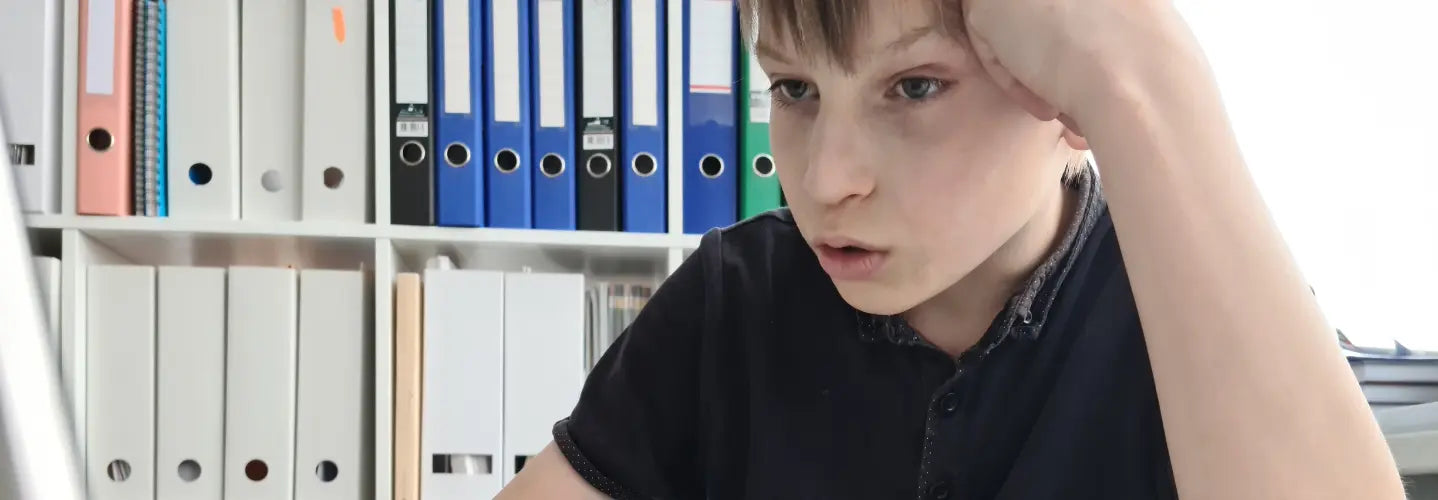
The laptop or Chromebook goes into the school bag in the morning, comes out again in class, then reappears on the kitchen table for homework. By the time the evening is done, there may also have been a tablet, gaming session or TV in the mix. For many New Zealand families, screens are not one part of the day anymore. They are threaded through it.
So, do kids need blue light glasses for all of that? No, not as proven protection from normal screen use. Current evidence does not show that blue-light filtering glasses are a reliable stand-alone answer for digital eye strain or that normal screen blue light is damaging children's eyes. Some families may still choose light-filtering eyewear as an optional comfort and product preference when the fit, clarity, construction and intended light environment suit the child.
That is the practical way we suggest looking at kids blue light glasses NZ families are considering: get the screen setup right first, pay attention to how your child is actually feeling, and then decide whether a well-made pair of light-filtering glasses is something you would like them to try. If you want the wider evidence discussion first, our blue light glasses NZ guide covers that in more depth.
The classroom screen is only part of the visual load
A child working on a classroom device is doing more than looking at one colour of light. They are holding focus at close range, reading small text, moving between the screen and the board, and often working under bright overhead lighting. When concentration goes up, blinking can drop too, which can leave eyes feeling dry or tired.
Glare matters as well. A window reflected across a glossy display, a screen set too bright for the room, or a device positioned at an awkward angle can all make viewing feel harder than it needs to be. The same goes for screen height and distance. If a child is leaning in, craning their neck or holding a tablet very close, the problem is not automatically blue light.
Simple habits still do a lot of the heavy lifting. Encourage regular distance breaks, comfortable screen distance, larger text when needed and a screen position that avoids obvious reflections. A device should not feel like a tiny bright rectangle competing with a dim room.
After school, watch what happens rather than blaming the screen colour
Homework is often where parents first notice something is off. A child may rub their eyes, squint, complain of a headache, say the words look blurry or simply lose patience with close work. Those signs are worth noticing, but they do not tell you that blue light is the cause.
Before adding anything new, make the home setup easier on the eyes. Raise or reposition the laptop so your child is not hunching over it. Cut glare from nearby windows or lamps. Match the screen brightness more closely to the room. Increase text size. Build in short breaks where they look across the room or out a window instead of swapping one near screen for another.
If symptoms keep appearing, that is useful information. It may point to dryness, sustained near focus, an unrecognised vision issue or simply too much close work without enough breaks. That is when it makes sense to think beyond settings and screen brightness.
Where optional eyewear can fit
This is the point where Kids Hyperlight Eyewear, Indoor Violet can become part of the conversation. We designed this child-focused option for indoor light environments, including the mix of artificial lighting and screens that can fill a school and homework day.
We see it as premium light-filtering eyewear, not a substitute for sensible screen habits and not a replacement for an eye examination when one is needed. That distinction matters. You can improve the environment first and still decide that you like the feel, format and construction of a purpose-built pair of blue light glasses for children.
For families comparing kids computer glasses NZ options, we think the best question is not whether a lens makes the biggest promise. It is whether the glasses are made for a child's face, feel manageable through a real school day and use a lens construction you are comfortable choosing.
What makes Kids Hyperlight more than an adult frame made smaller
Kids Hyperlight Eyewear is built as a children's product, rather than simply taking an adult frame and shrinking the numbers. The Indoor Violet model measures 123 x 37 mm and has a 24 g net weight. The frame is flexible and made without metal parts, giving it a softer, child-focused format for busy days when glasses are going on, coming off and travelling in a school bag.
The lens itself is CR39. On both sides of the lens are Fullerene layers, alongside a coating stack that includes hydro and oleophobic coating, an antistatic component, Ioncoat K+ layers and Hard Coat.
What does that mean in everyday parent language? The hydro and oleophobic finish is there to make moisture, oils and everyday marks easier to manage. The antistatic component helps reduce dust clinging to the lens. The Ioncoat K+ layers form part of the lens coating system used to manage reflections, while Hard Coat adds another wear-resistant layer to a lens that may be cleaned and handled many times a day.
Those are construction details, and we prefer to keep them that way. They tell you how the lens is built and finished. They are not a promise that the glasses will prevent headaches, improve sleep, boost concentration or treat an eye condition.
The Indoor Violet model is made in Europe and comes with a 2-year warranty. For us, those details matter because parents are not just choosing a tint. They are choosing a complete pair of eyewear that needs to feel appropriate for a child's everyday use.
If you want to understand the wider Hyperlight lens concept without repeating the whole blue-light debate here, you can also read about Hyperlight Eyewear and then come back to the child-specific fit and format.
Evening screens are a separate conversation
By evening, the same child who used a school laptop may be on a tablet, phone, gaming console or TV. This is where it is especially important not to turn glasses into a shortcut for the whole bedtime problem.
Light in the evening can influence sleep timing, but evidence that blue-light filtering spectacles improve sleep is still uncertain. The 2023 Cochrane review on blue-light filtering spectacle lenses was conducted in adults, not as a direct clinical trial of children, and it found sleep outcomes were mixed and unclear.
For a child winding down, the practical basics still make sense: reduce late screen exposure where you can, turn down a screen that is uncomfortably bright, use warmer evening display settings if available and keep the last part of the night calmer than the busiest part of the afternoon.
If your child moves between indoor devices and bright outdoor settings during the day, remember that those are different light environments. Our Kids Hyperlight Eyewear, Outdoor Black is the separate outdoor option. We would choose between indoor and outdoor models based on where the glasses will actually be worn, rather than treating one pair as a cure-all for every part of the day.
When an eye check matters
Occasional tired eyes after a long stretch of close work can happen. Recurring headaches, persistent blur, frequent squinting, eye pain, noticeable difficulty with close work or a significant change in how your child uses their eyes deserves more attention.
Healthify New Zealand advises getting help when a child is squinting or having difficulty seeing clearly, and notes that headaches, eye rubbing and closing one eye while reading can be signs worth checking. If you have concerns about your child's vision at any time, an optometrist or suitable health professional can assess what is going on.
That is especially important if your child starts holding devices unusually close, avoids reading, complains that words move or blur, or their visual behaviour changes suddenly. Eyewear bought for screen comfort should never be asked to do the job of an eye examination.
A practical next step for your family
You do not have to make this complicated. Start by improving the screen environment. Watch how your child feels through a normal school and homework week. If discomfort keeps returning, arrange an eye check rather than guessing at the cause.
If the basics are in place and you still want to try premium kids screen glasses, Kids Hyperlight gives you a child-specific frame, CR39 lens construction, Fullerene layers on both sides, a multi-layer coating system and an indoor format designed for the artificial-light environments that make up much of a modern school day.
You can browse the wider Hyperlight Eyewear collection to see the available formats and light environments. For a child mainly wearing their glasses around classroom screens, homework devices and indoor lighting, Indoor Violet is the natural place to start.
Common questions from parents
Do kids need blue light glasses for school?
No. Kids do not need blue light glasses as proven protection from normal school screen use. Regular breaks, comfortable viewing distance, good lighting and appropriate eye checks matter more. Some families may still choose light-filtering eyewear as an optional comfort and product preference when the fit and construction suit the child.
Are blue light glasses necessary for children using laptops and tablets?
No. Blue light glasses are not necessary for children simply because they use laptops or tablets. If a child is uncomfortable, first look at screen distance, glare, brightness, blinking, time spent on close work and whether an eye check is needed.
What causes tired eyes during screen use in children?
Tired eyes can be linked with long periods of close focus, less frequent blinking, glare, screen brightness, room lighting, dry eyes or an unrecognised vision issue. Blue light is not automatically the cause.
Can kids wear blue light glasses all day?
There is usually no need to wear blue light glasses all day just because screens are present. If your child wears non-prescription light-filtering glasses for long periods, comfort, clear vision and the intended indoor or outdoor light environment should guide use. Regular screen breaks still matter.
Can blue light glasses help a child's sleep?
Blue-light filtering glasses should not be relied on to improve a child's sleep. Evidence for sleep benefits from these lenses is uncertain, and the main Cochrane review was in adults. Reducing late screen exposure, lowering excessive brightness and keeping a calm wind-down period are still important.
What should parents look for in screen glasses for kids?
Look for a child-appropriate frame size and weight, comfortable fit, clear vision, durable construction, lens material and coatings you understand, and a design intended for the light environment where the glasses will be worn. Avoid choosing eyewear mainly because it makes big health promises.
What is different about Kids Hyperlight Eyewear?
Kids Hyperlight Eyewear is a child-focused format rather than an adult frame simply made smaller. The Indoor Violet model measures 123 x 37 mm, weighs 24 g net, uses a flexible frame with no metal parts, and has CR39 lenses with Fullerene layers on both sides plus hydro and oleophobic coating, an antistatic component, Ioncoat K+ layers and Hard Coat. It is made in Europe and has a 2-year warranty.
When should screen-related headaches, squinting or blurry vision be checked by an optometrist?
Arrange an eye check when headaches, squinting or blurry vision are recurring or persistent, when close work becomes noticeably difficult, when there is eye pain, or when your child's visual behaviour changes significantly. If you are concerned about their vision at any time, it is better to have it assessed than to assume screens or blue light are the cause.


